

Heat Categories
Understanding Heat Transfer
1.
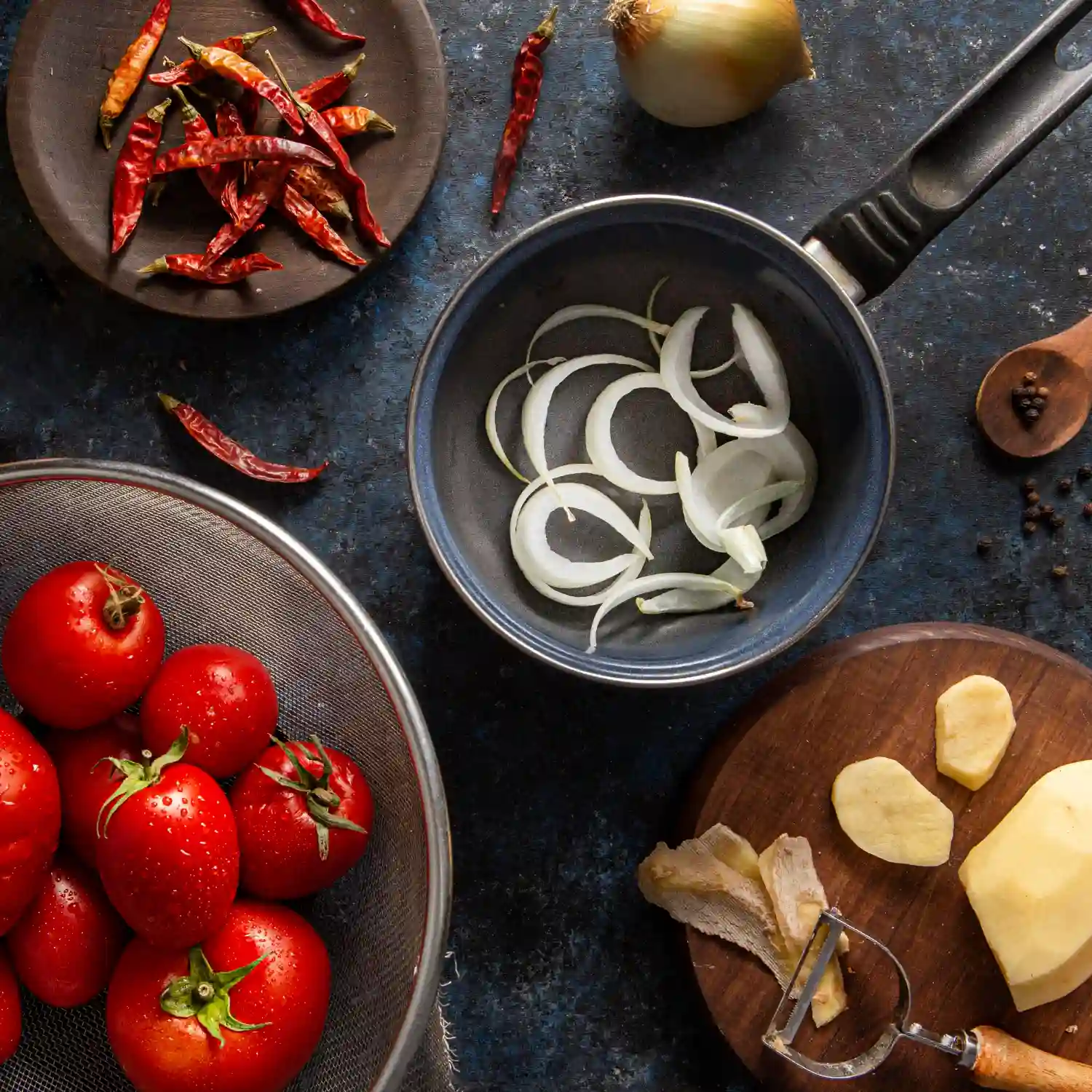
Dry Heat Cooking This category involves applying heat without the presence of water. It relies on hot air or fat to transfer energy to the food. The result is usually browning, crisping, and a rich development of flavor through the Maillard reaction.
2.
Moist Heat Cooking This approach uses liquid or steam to cook the food. It is excellent for tenderizing tough fibers and preserving delicate textures. The temperature generally stays lower than dry heat methods because water boils at a fixed point.
Choosing between these two approaches depends entirely on your ingredients and the final texture you want to achieve.
Crispy And Browned
Popular Dry Heat Techniques
Roasting
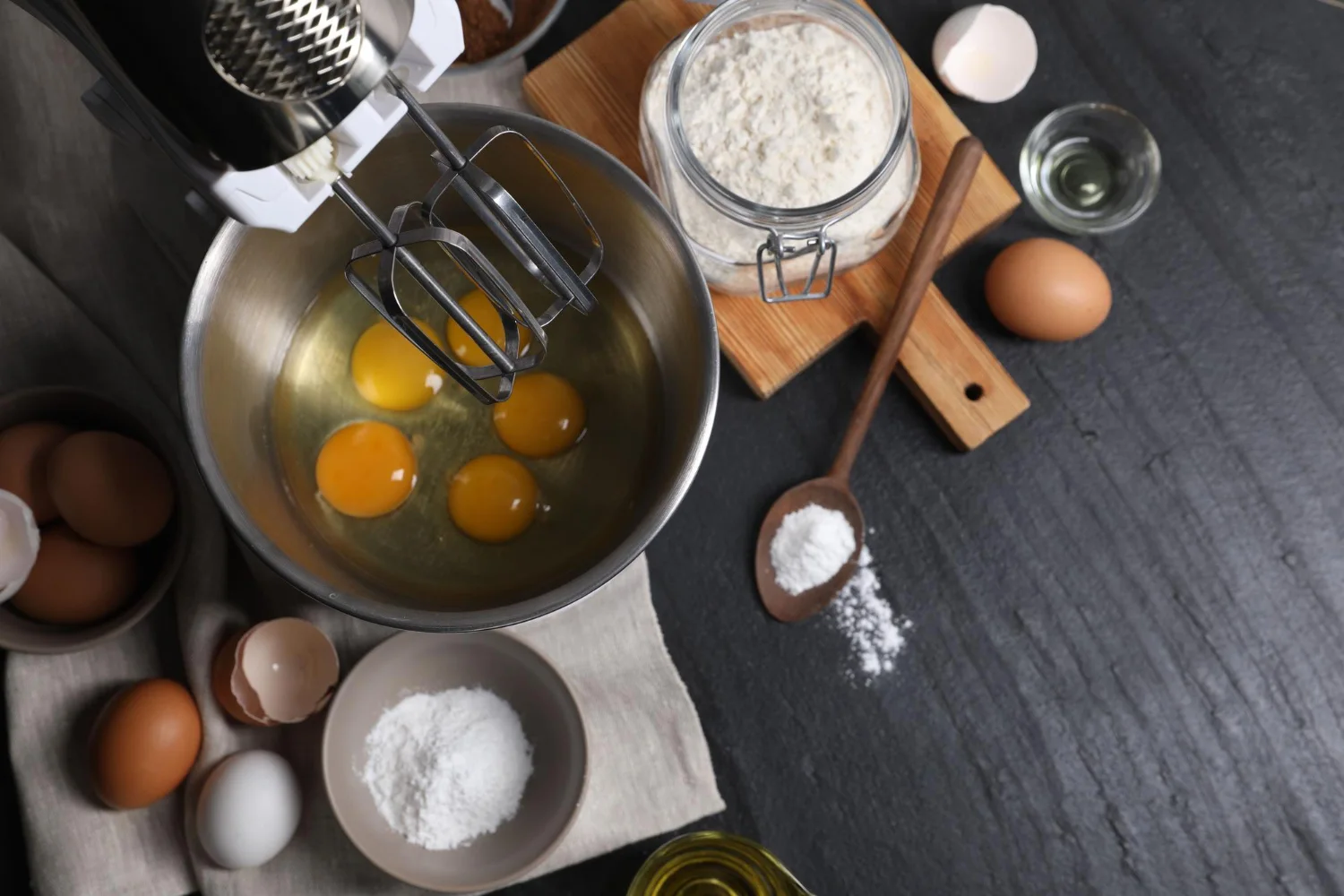
This method uses hot air to surround the food, cooking it evenly on all sides. It is perfect for large cuts of meat or hardy vegetables. Roasting enhances natural sweetness through caramelization and creates a wonderful depth of flavor.
Grilling
Grilling applies dry heat directly from below or above. It is fast and gives food a distinct smoky flavor and charred texture. This is a favorite method for summer gatherings and quick meals that require minimal cleanup.
Sautéing
This technique cooks food quickly in a small amount of fat over relatively high heat. It requires constant movement of the ingredients in the pan. Sautéing is ideal for vegetables and thin cuts of meat that need to stay tender.
Tender And Soft
Essential Moist Heat Techniques
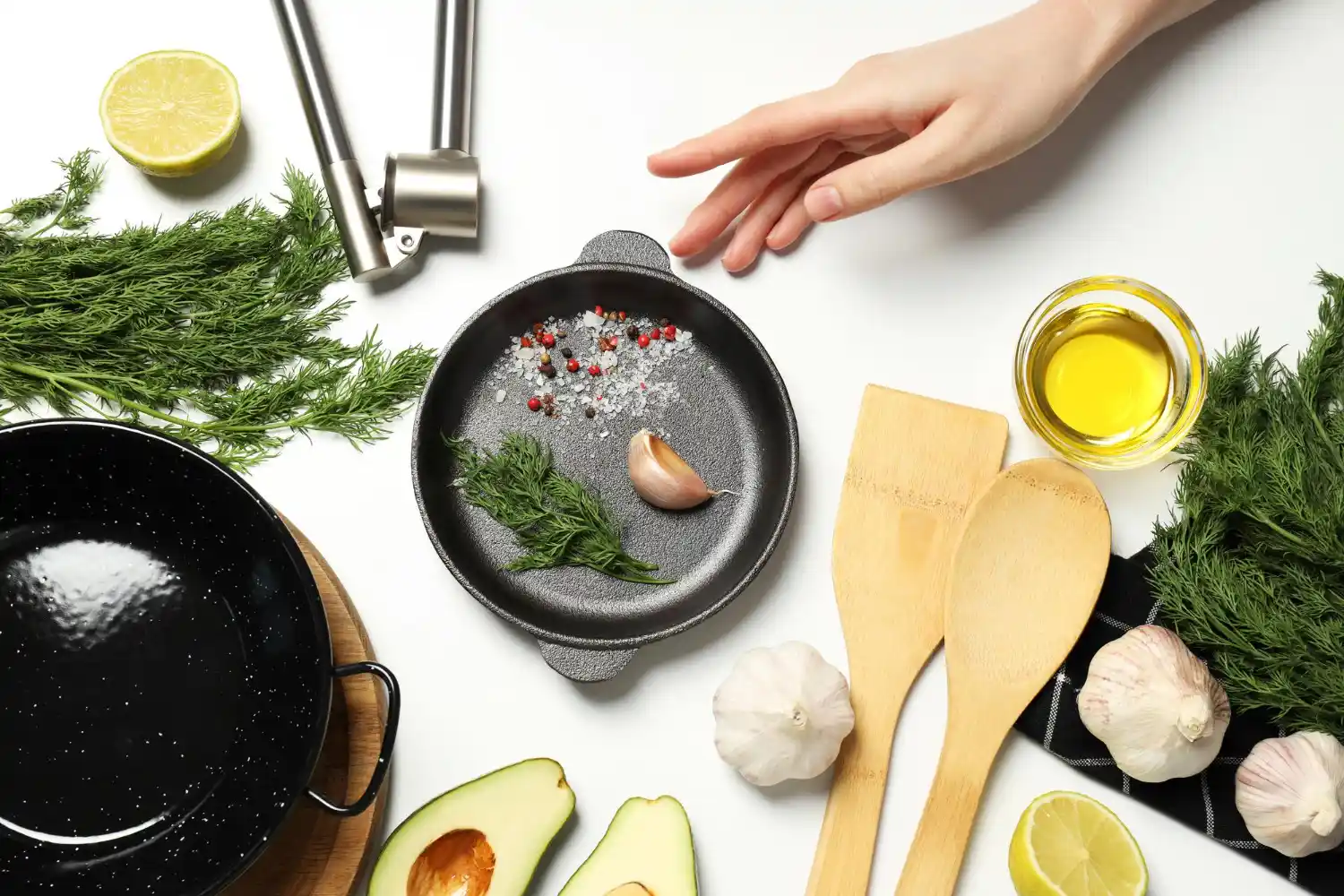
Boiling and poaching involve submerging food in liquid but at different temperatures. Boiling happens at high heat and is good for pasta or hearty grains. Poaching is a gentler version used for delicate items like eggs or fish to keep them from falling apart.
Steaming is a very healthy way to cook because the food never touches the water. The hot steam cooks the ingredients while retaining most of the vitamins, minerals, and color. It is an excellent choice for fresh vegetables and dumplings.
Braising and stewing are combination methods that start with searing and finish with slow cooking in liquid. This transforms tough cuts of meat into melt-in-the-mouth dishes. It is a staple technique for comforting winter meals that students love for their simplicity and yield.
Advanced Skills
Specialized Culinary Methods
Frying
Deep frying submerges food completely in hot fat. When done correctly at the right temperature, the food absorbs very little oil and develops a crunchy exterior with a moist interior.
Baking
Similar to roasting, baking uses indirect heat in an oven. However, it typically refers to foods that lack structure initially, like batters and doughs, which become solid as they cook.
Broiling
Broiling uses very high heat from a direct source usually located at the top of the oven. It is used to quickly brown the top of a dish, melt cheese, or cook thin cuts of meat rapidly.
Sous Vide
This modern method involves vacuum-sealing food and cooking it in a precisely temperature-controlled water bath. It ensures the item is cooked to the exact degree of doneness from edge to edge without any guesswork.
Common Questions
Frequently Asked Questions
What is the healthiest way to cook food?
Steaming and poaching are generally considered the healthiest methods because they do not require added fat. Since the food is cooked gently by water or steam, it retains moisture naturally. However, roasting vegetables is also a healthy option if you use a minimal amount of oil, as it brings out flavor without adding excessive calories.
How does heat affect the nutritional value of vegetables?
Heat has a mixed effect on nutrition. Prolonged cooking, especially boiling, can destroy water-soluble vitamins like Vitamin C and B vitamins. However, cooking actually enhances the absorption of other nutrients, such as lycopene in tomatoes and beta-carotene in carrots. The key is to cook vegetables just until they are tender-crisp rather than mushy.
Can I substitute baking for frying to save calories?
Yes, baking is an excellent alternative to frying. To get a similar crispy texture without the oil bath, you can coat your ingredients in a light layer of oil and cook them on a wire rack placed over a baking sheet. This allows hot air to circulate underneath, mimicking the effect of a fryer while significantly reducing fat intake.
Why is resting meat important after cooking with high heat?
When meat is cooked, the muscle fibers contract and push the juices toward the center of the cut. If you slice it immediately, those juices spill out onto the cutting board, leaving the meat dry. Resting allows the fibers to relax and the juices to redistribute evenly throughout the steak or roast.
What is the difference between simmering and boiling?
The difference lies in the temperature and the movement of the liquid. Boiling happens at 212°F (100°C) with large, aggressive bubbles. It is good for pasta but can toughen meat. Simmering happens at a lower temperature, around 185°F to 205°F, with small, gentle bubbles. It is the preferred method for making stocks, soups, and tenderizing tough cuts of meat.
Start Your Cooking Journey
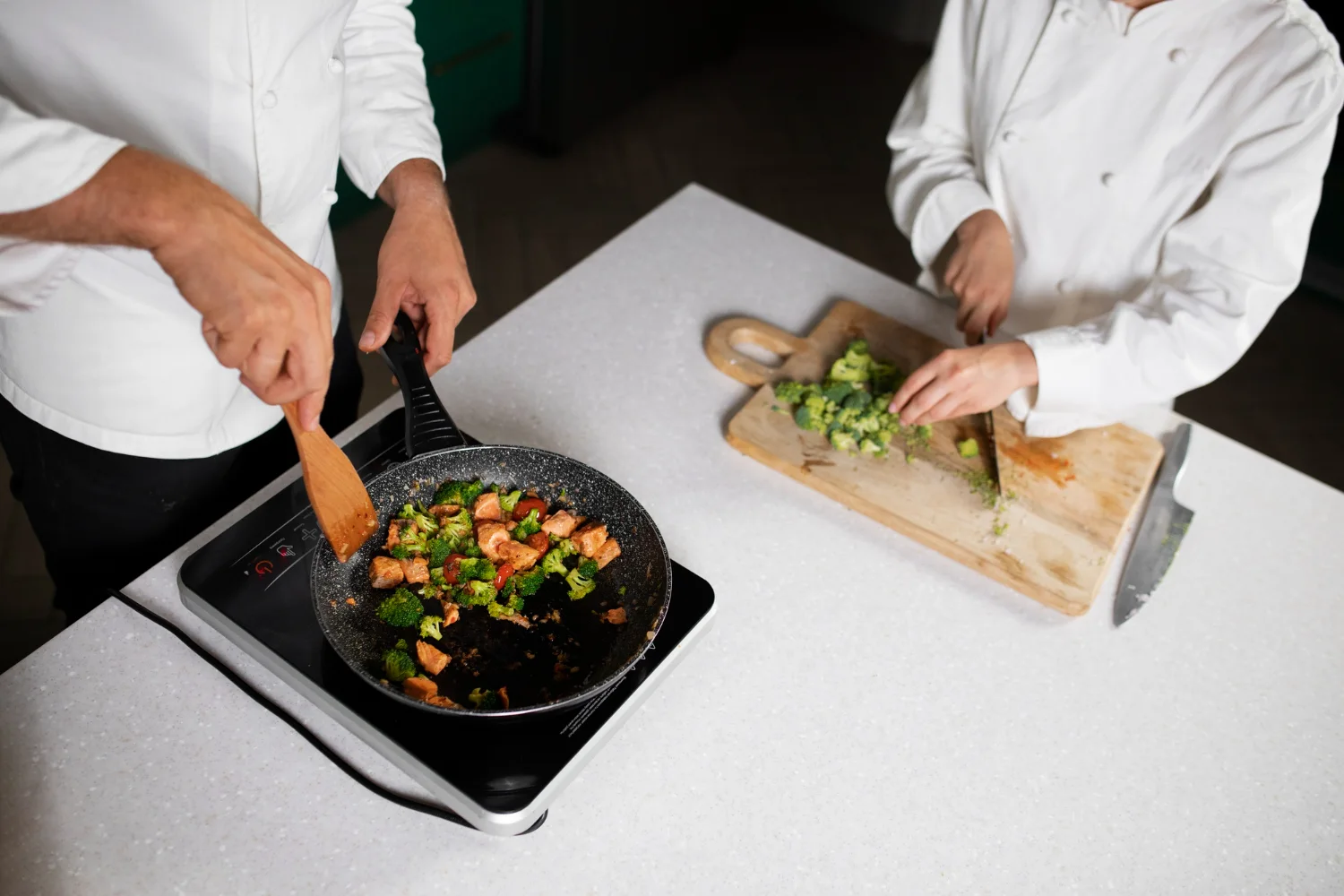
Mastering these techniques takes practice, but the results are worth it. Experiment with different styles to see how they change the flavor of your favorite ingredients. For a perfect example of how heat transforms spices and textures, check out our guide to Indian food. At ChefLogic, we believe that anyone can cook great food with a little knowledge and patience.
Academic writing can become stressful when multiple essays are due at the same time. https://essayservice.com/mba-essay-writing-service mba essay writing service helps students manage their workload more effectively.
Students keep coming back thanks to the excellent price-to-quality ratio essay writer from https://essaypro.com and super-responsive support team. Even during the busiest exam weeks, this service delivers professional help quickly and reliably.